


Resources
EverGreen believe that transparency and education are essential for creating a more sustainable fashion industry. On this page, you'll find information about our materials, including where they come from and how they're produced. We source our materials from environmentally responsible suppliers and prioritize using materials that are organic, recycled, or upcycled.
Certified B-Corp Companies
Overall B Impact Score
The B Impact Score is a rating system developed by the non-profit organization B Lab to measure the overall social and environmental performance of a company. The score is based on a comprehensive assessment of a company's operations and business model, and it evaluates the company's impact on its workers, customers, community, and the environment.
KOTN
KOTN is a clothing brand that is committed to making high-quality clothing while also making a positive impact on people and the planet. The brand is known for its use of sustainable and ethically sourced Egyptian cotton, which is among the finest in the world.
Patagonia
Patagonia is a clothing and outdoor gear brand that is dedicated to environmental sustainability and social responsibility. The company was founded in 1973 by Yvon Chouinard and has since become a leader in the outdoor industry for its commitment to using eco-friendly materials and reducing its carbon footprint.
Cortazu
Cortazu is an outdoor clothing brand that is committed to creating high-quality, functional, and sustainable apparel for outdoor enthusiasts. Founded in 2018, the brand takes its name from a mountain in the Swiss Alps and draws inspiration from the rugged beauty of the natural world.
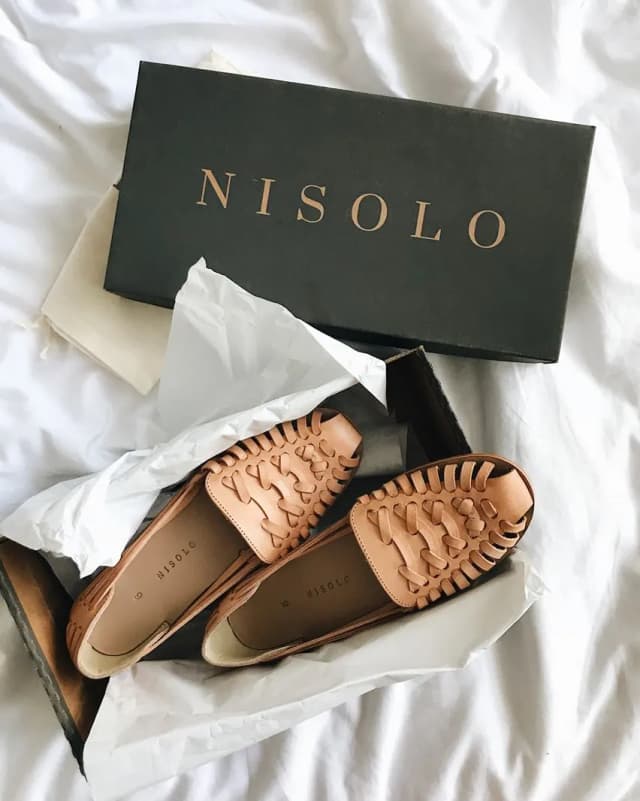
Nisolo
Nisolo is a sustainable fashion brand that produces high-quality shoes, bags, and accessories for men and women. Founded in 2011, the brand is committed to ethical and sustainable practices, with a focus on empowering artisans and reducing its environmental impact.
Terminology
Sustainable Fashion
The production, design, and consumption of clothing, footwear, and accessories in a manner that minimizes the negative impact on the environment and society, while maximizing benefits to all stakeholders involved in the production process. It involves using eco-friendly materials, reducing waste and pollution, promoting fair labor practices, and encouraging responsible consumption patterns.
Sustainable fashion aims to create a circular economy where resources are used efficiently, and materials are reused, recycled, or composted at the end of their lifecycle, rather than ending up in landfills. Overall, sustainable fashion seeks to create a more ethical and sustainable fashion industry that respects the environment, workers, and consumers.
Greenwashing
When a brand makes false or misleading claims about the environmental friendliness of their products or production methods.
Global Organic Textile Standard (GOTS)
A worldwide recognized standard for processing and manufacturing textiles made from organic fibers. It provides strict criteria for environmentally and socially responsible production processes throughout the entire supply chain, from the harvesting of raw materials to the labeling and packaging of the final product.
Fast Fashion
A business model that involves producing and selling trendy, inexpensive clothing at a rapid pace to meet consumer demand. The term 'fast' refers to the speed at which these garments are designed, manufactured, and sold, as well as the quick turnover of styles and collections.
Fast fashion companies typically operate with a low-cost, high-volume strategy, relying on rapid production and distribution processes to keep up with the latest fashion trends. They often outsource manufacturing to countries with lower labor costs and prioritize efficiency and cost-cutting measures over ethical and sustainable practices.
Certified B-Corp
A Certified B Corporation, or B Corp for short, is a type of for-profit company that has been certified by B Lab, a non-profit organization. To become certified, a company must meet rigorous standards of social and environmental performance, accountability, and transparency.
The B Corp certification process evaluates a company's impact on its workers, customers, community, and environment, and requires it to meet minimum standards of social and environmental performance, as well as legal accountability and transparency. B Corps are committed to using their business as a force for good, and they are legally required to consider the impact of their decisions on all stakeholders, not just shareholders. This means that B Corps prioritize social and environmental impact alongside financial performance.
Animal Cruelty
Any act of intentional harm, neglect, or abuse of animals, whether it is physical, emotional, or psychological. Examples of animal cruelty include beating, neglecting, or abandoning animals, as well as using animals for entertainment, such as in circuses or dogfighting.
The fashion industry is increasingly focused on sustainability and ethical practices, and the mistreatment of animals can conflict with these values. As consumers become more conscious of the impact of their purchasing decisions on the environment and animal welfare, fashion brands may need to adapt to remain competitive.
Upcycling
The process of taking pre-existing clothing items, often second-hand or worn out, and transforming them into something new and valuable. It involves using creative and innovative techniques to repurpose old garments, such as adding embellishments, cutting and re-sewing pieces, or combining multiple garments to create a new design.
Upcycling clothes is a sustainable fashion practice that helps to reduce textile waste and minimize the environmental impact of the fashion industry. By repurposing existing materials, it reduces the need for new resources and helps to extend the life of clothing items that might otherwise end up in landfills.
Ethical Fashion
Refers to clothing and accessories that are made with consideration for the environment, workers, and animals involved in the production process. This includes using sustainable materials, ensuring fair labor practices, and avoiding the use of animal products.
Overall, ethical fashion has the potential to transform the fashion industry, promoting sustainability, fair labor practices, and transparency, while also meeting the growing demand for eco-friendly and socially responsible products.
Circular Fashion
An approach to fashion design, production, and consumption that is based on the principles of circular economy. It aims to minimize waste, reduce the use of finite resources, and extend the life cycle of fashion products.
Circular fashion has the potential to transform the fashion industry, by promoting sustainable practices, reducing waste, and creating new business opportunities, while meeting the growing demand for eco-friendly and socially responsible products.
Organic
Refers to clothing and accessories that are made from materials that are grown without the use of synthetic pesticides, herbicides, or fertilizers. The production of organic fashion also typically involves sustainable farming practices, such as crop rotation and natural pest control.
Some effects of using organic materials in clothing products can reduce the use of synthetic chemicals, increased consumer demand, positive brand image. Using organic materials more commonly in clothing productions can have the potential to transform the fashion industry, promoting sustainability, reducing the use of synthetic chemicals, and meeting the growing demand for eco-friendly and socially responsible products.
Fair Trade
Fair trade refers to a trading partnership that aims to promote fair and equitable relationships between producers, traders, and consumers. In the fashion industry, fair trade focuses on ensuring fair labor practices and wages for workers involved in the production of clothing and accessories.
Fair trade practices are important to the fashion industry as they promote ethical and socially responsible practices, improve labor conditions, and empower marginalized communities, while also meeting the growing demand for eco-friendly and socially responsible products.
Brand Initiatives
Patagonia's "Worn Wear" program →
A program that encourages customers to repair, reuse, and recycle their old Patagonia clothing instead of throwing it away.
Nisolo's "Shoe Reclamation" program →
A program that encourages customers to donate their gently used Nisolo shoes in exchange for a discount on their next purchase.
Justdiggit & Cortazu →
Justdiggit is a non-profit organization that works to combat climate change by restoring degraded landscapes. The organization believes that by restoring ecosystems, they can increase biodiversity, improve water availability, and enhance the quality of life for people living in degraded areas.
KOTN's Mission →
KOTN supports the communities where their cotton is sourced. The company partners with local farmers in Egypt to provide fair wages and improve their farming practices. KOTN also supports education and healthcare initiatives in these communities, investing in the well-being of the people who contribute to their supply chain.